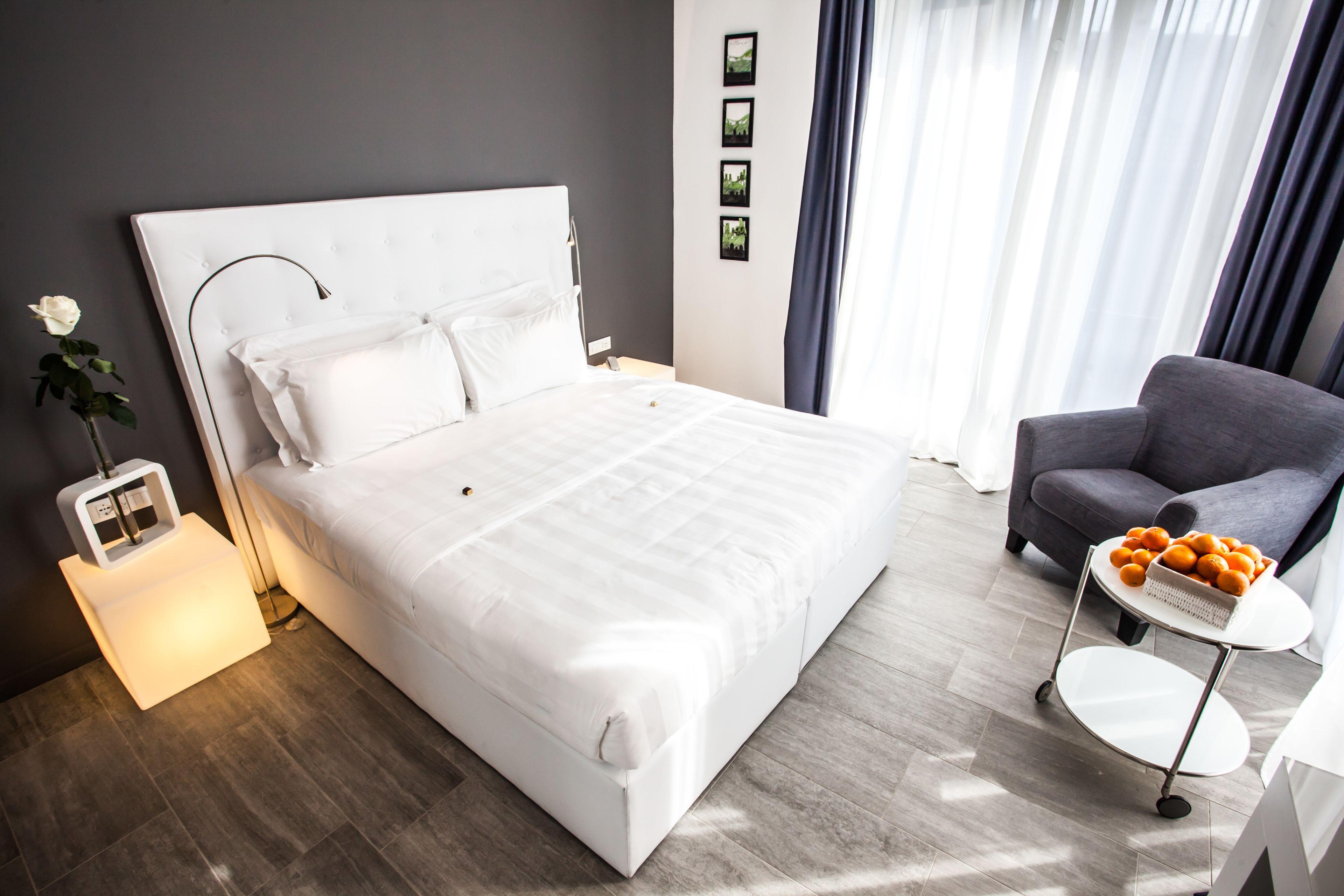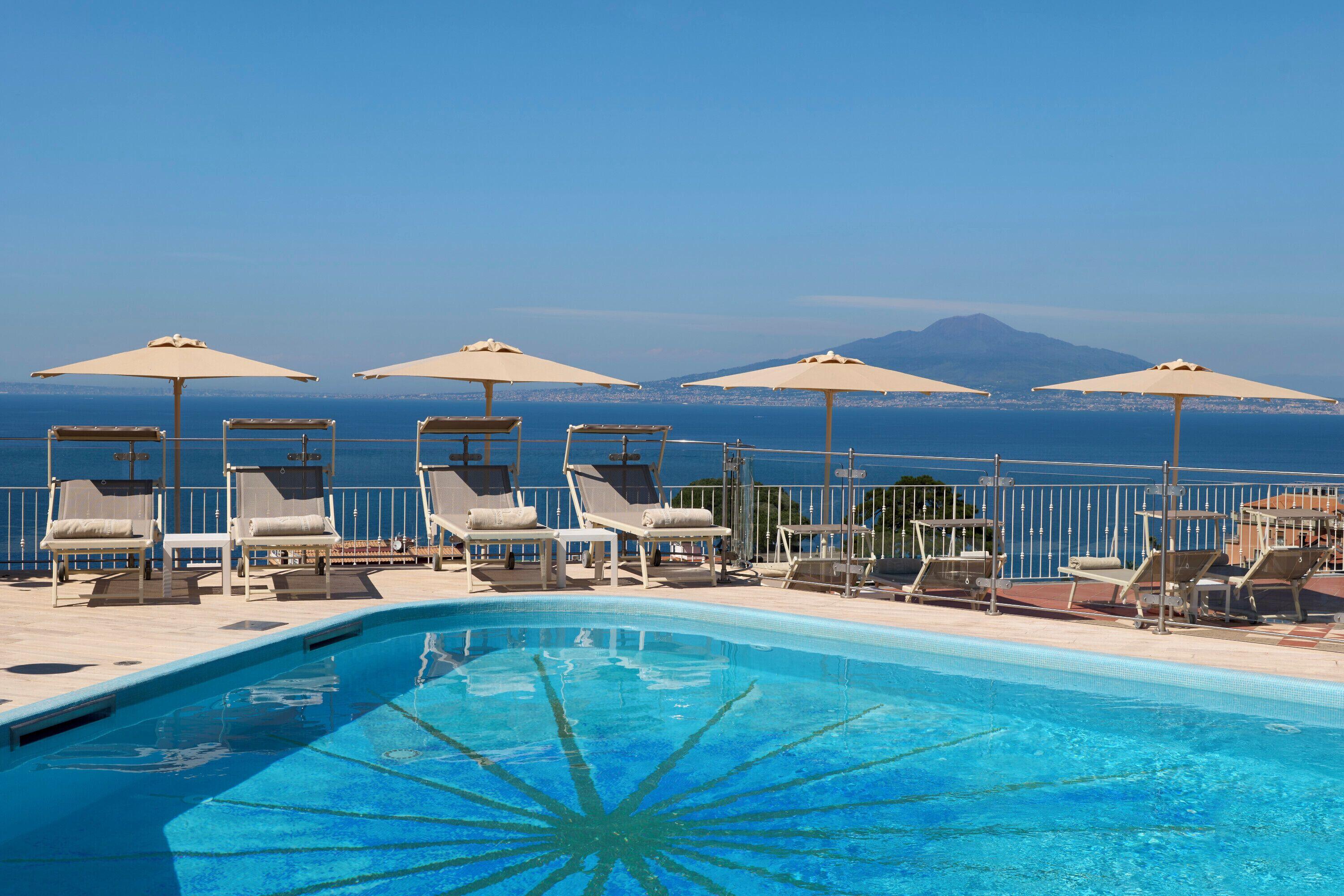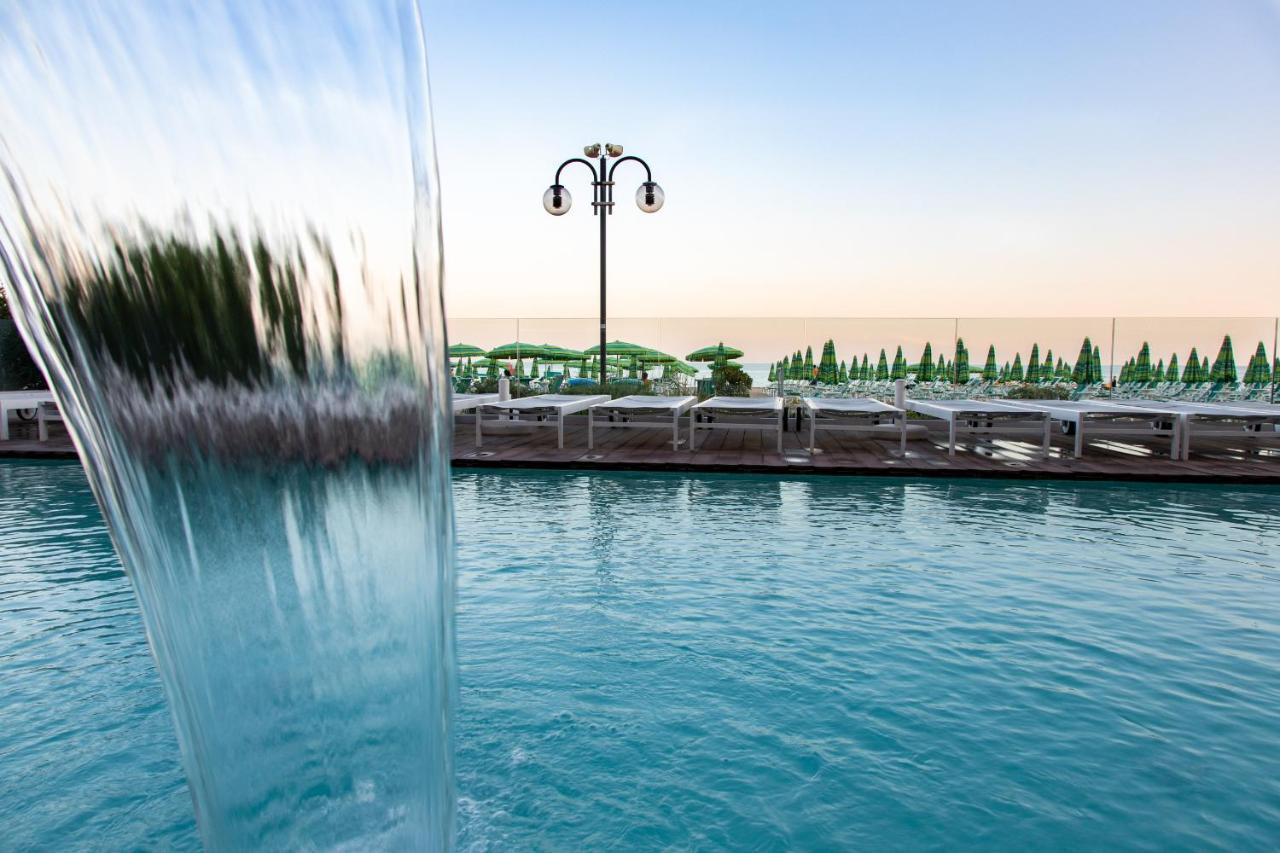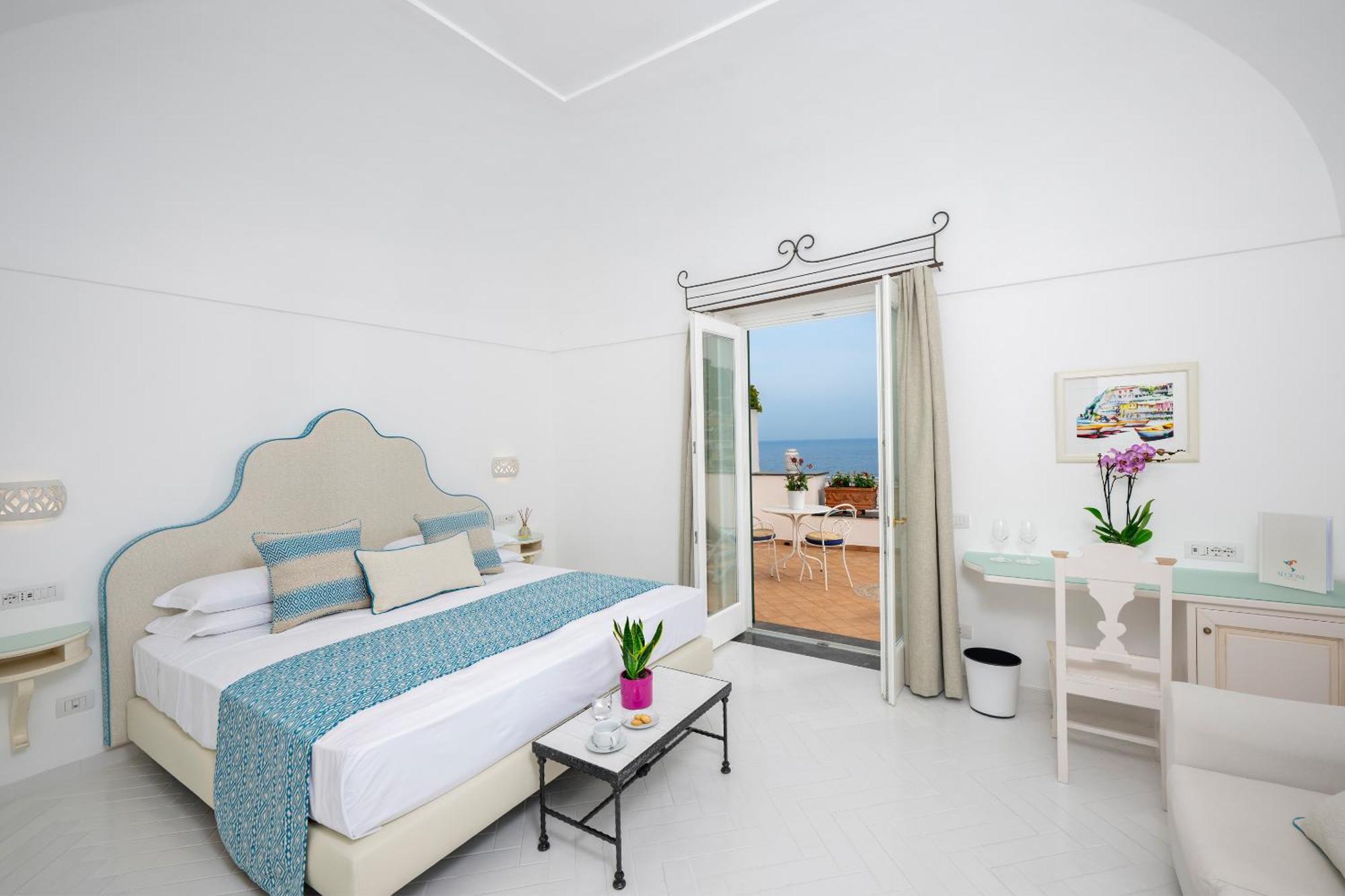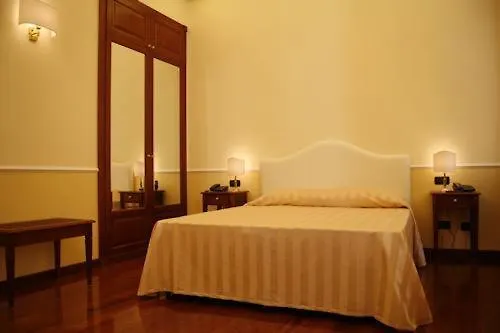
Rome City Centre puts the Pantheon, Trevi Fountain, and Campo de' Fiori within 10-20 minutes on foot - no metro required for most of your sightseeing. This guide compares five 4-star hotels in Rome City Centre across different sub-zones, from the ancient centro storico near Piazza Navona to the transport-rich Termini corridor, so you can match your stay to how you actually plan to move around the city.
What It's Like Staying In Rome City Centre
Rome City Centre is one of the most logistically convenient places to base yourself in the Italian capital - the historic core between the Pantheon, Piazza Navona, and the Trevi Fountain is almost entirely walkable, with most landmarks within a 20-minute walk of each other. Street noise is a real factor on main arteries like Via del Corso and Via Nazionale, so room positioning matters more here than in quieter districts. The rhythm shifts sharply: mornings are calm, midday crowds peak at major piazzas, and evenings bring a second wave of foot traffic that can last past midnight in areas like Campo de' Fiori.
Visitors who prioritize sightseeing density and the ability to return to their hotel between activities gain the most from staying here. Those on longer stays seeking local, non-touristy atmosphere will find around 80% of their immediate surroundings catered heavily toward tourism - Monti or Trastevere offer a different balance.
Pros:
- * Walking access to the Pantheon, Trevi Fountain, Campo de' Fiori, and Piazza Navona without needing public transport
- * Dense concentration of restaurants, wine bars, and cafés at every price point within a few blocks
- * Quick taxi and bus connections to Termini Station for airport transfers and intercity travel
Cons:
- * Rooms overlooking pedestrian streets or piazzas pick up significant noise until late at night
- * Hotel prices carry a location premium compared to equivalent properties in Prati or Trastevere
- * Cobblestone streets make heavy luggage and strollers genuinely difficult to manage
Why Choose 4-Star Hotels In Rome City Centre
4-star hotels in Rome City Centre occupy a specific middle ground: they typically deliver private bathrooms with real amenities, daily housekeeping, reception services, and breakfast - without the all-inclusive pricing of 5-star properties on Via Veneto. In this district, the 4-star category commands a significant premium over budget guesthouses, but the trade-off is meaningful: soundproofed rooms, luggage storage, and 24-hour front desk access all reduce the friction that makes historic-centre stays stressful. Expect standard double rooms to average around 20% smaller than equivalent-rated hotels near Termini, because older palazzi in the centro storico weren't designed for modern hotel layouts.
The real advantage in this category here is service infrastructure - airport shuttles, room service, concierge access to museum bookings, and on-site breakfast all become relevant when your base is inside the busiest tourist zone in Rome. The trade-off is that you're paying for location as much as the room itself.
Pros:
- * Concierge and front desk services handle museum bookings and transport logistics that save hours in a crowded city
- * Breakfast included at most 4-star properties reduces daily planning and cost versus eating out in the tourist centre
- * Soundproofing is standard in this category - a direct upgrade over budget options on the same streets
Cons:
- * Rooms can be compact in historic buildings - palazzo conversions rarely offer the space of modern hotel builds
- * Parking in the centre is either expensive or street-based; driving to these hotels is not practical for most guests
- * The location premium means you pay more per square metre than in outer-central districts like Prati or Testaccio
Practical Booking & Area Strategy
For the tightest access to Rome's ancient core, side streets off Piazza Navona - such as Via del Pellegrino, Via dei Coronari, and Via della Scrofa - offer the best balance between atmosphere and reduced noise compared to main roads. Hotels within 400 metres of Campo de' Fiori put you at the geographic centre of the walkable historic district, with the Pantheon under 10 minutes on foot and the Colosseum reachable in around 25 minutes by metro from nearby stops. For visitors landing at Fiumicino, a direct train to Termini takes around 30 minutes; from Termini, a taxi or bus into the centro storico adds another 15 minutes - making hotel-arranged airport shuttles a worthwhile convenience, especially with luggage.
The Termini sub-zone, where Hotel Diocleziano sits, offers a different calculus: two metro lines intersect at Termini, making the Colosseum and Vatican reachable in under 10 minutes by rail, and hotel rates here are typically lower than in the Navona-Pantheon corridor. Book any Rome City Centre 4-star hotel at least 8 weeks out for travel between April and June - this is peak season when inventory tightens fastest. Early September through mid-October is the sweet spot: summer heat drops, crowds thin slightly, and prices remain more stable than in spring.
Best Value Stays
These properties deliver strong location positioning and solid 4-star infrastructure at more accessible price points, making them the practical anchors of this selection.
-
1. Luxury Ludovisi Rooms
Show on map


 Check-infrom 13:00 until 23:30Check-outuntil 11:00
Just a few rooms left at the best rate!
from€ 244
-
2. Mdm Guesthouse
Show on map


 Check-infrom 14:00 until 22:00Check-outfrom 07:00 until 11:00
Just a few rooms left at the best rate!
from€ 123
-
3. Hotel Diocleziano
Show on map


 Check-infrom 14:00 until 23:59Check-outuntil 11:00
Hurry – almost gone at this price!
from€ 86
Best Premium Stays
These two properties offer stronger location credentials, distinctive room features, or superior proximity to Rome's most iconic landmarks, at a corresponding step up in rate.
-
4. Hotel Rinascimento
Show on map


 Check-infrom 15:00 until 23:59Check-outuntil 11:00
Hurry – almost gone at this price!
from€ 86
-
5. Excellence Suite
Show on map


 Check-infrom 14:00 until 18:00Check-outuntil 11:00
Rooms filling fast – secure the best rate!
from€ 73
Smart Timing & Booking Advice for Rome City Centre
April through June is the most congested period for Rome City Centre hotels - Piazza Navona, Campo de' Fiori, and the Spanish Steps see their heaviest foot traffic, and 4-star room rates spike by around 40% compared to winter months. January and February offer the lowest prices and shortest queues at major sites, though some smaller restaurants near Piazza Navona reduce hours. The practical sweet spot is mid-September to late October: post-summer heat, reduced queues at the Pantheon and Trevi Fountain, and rates that stabilize before the autumn shoulder peak. For stays during the Easter week or the last week of April - when the Italian school holiday overlaps with international tourism - book at least 10 weeks in advance or expect limited availability in the centro storico. Three to four nights is the minimum that makes a Rome City Centre base worthwhile; shorter stays don't justify the logistical overhead of navigating cobblestone streets with luggage. Last-minute bookings in the historic centre are rarely rewarded with value - unlike Termini-adjacent properties where cancellations free up inventory more often.