Staying in Florence's historic centre means waking up within walking distance of the Uffizi Gallery, Ponte Vecchio, and Piazza della Signoria - no metro required. This guide compares 8 centrally located hotels across different price points, helping you choose based on exact positioning, room reality, and what each property actually delivers for the cost.
What It's Like Staying in Florence's Historic Centre
Florence's historic centre is one of the most walkable urban cores in Europe - the main Renaissance landmarks sit within a radius of around 1 kilometre, meaning most guests never need public transport during the day. Stone-paved streets and limited ZTL traffic zones mean the area is quieter than you'd expect for a UNESCO World Heritage site, though summer foot traffic on Via dei Calzaiuoli and near the Uffizi can feel overwhelming by mid-morning. Evenings shift noticeably: after 9pm, the tourist crowds thin and the neighbourhood takes on a more local rhythm around Via de' Tornabuoni and the trattorias off Piazza della Repubblica.
Pros:
Every major monument is on foot - Duomo, Uffizi, Ponte Vecchio, and Pitti Palace are all reachable within 15 minutes
Santa Maria Novella Train Station connects you to Pisa, Rome, and Venice, and is around 1.5 km from the central core
The ZTL zone keeps motorised traffic low, making streets noticeably more pedestrian-friendly than most Italian city centres
Cons:
Hotel rates in the centro storico run significantly higher than in Oltrarno or Santa Croce for comparable room sizes
Cobblestone streets and multi-floor historic buildings mean lifts are not guaranteed - always verify before booking if mobility matters
Summer crowds around Piazza della Signoria and the Uffizi queue can make the immediate surroundings feel congested from late morning onward
Why Choose a Central Hotel in Florence's Historic District
Central hotels in Florence's historic core trade floor space for location - rooms in this zone average smaller than equivalent categories in peripheral neighbourhoods, but the trade-off is direct access to the city's densest concentration of museums, restaurants, and architecture without commute time. Prices per night in the centro storico can run around 30% higher than comparable properties in Oltrarno or San Frediano, but guests typically save on taxis, buses, and tour transfers. Properties here range from 3-star albergos in medieval tower houses to boutique suites overlooking Piazza della Signoria - the category spread is wide, but positioning within the ZTL boundary is the consistent differentiator.
Pros:
Zero commute to top attractions - Uffizi, Palazzo Vecchio, and Ponte Vecchio are all within a 10-minute walk from most properties listed here
Properties in historic buildings often include architectural features - frescoed ceilings, exposed stone, courtyard views - not found in modern hotels
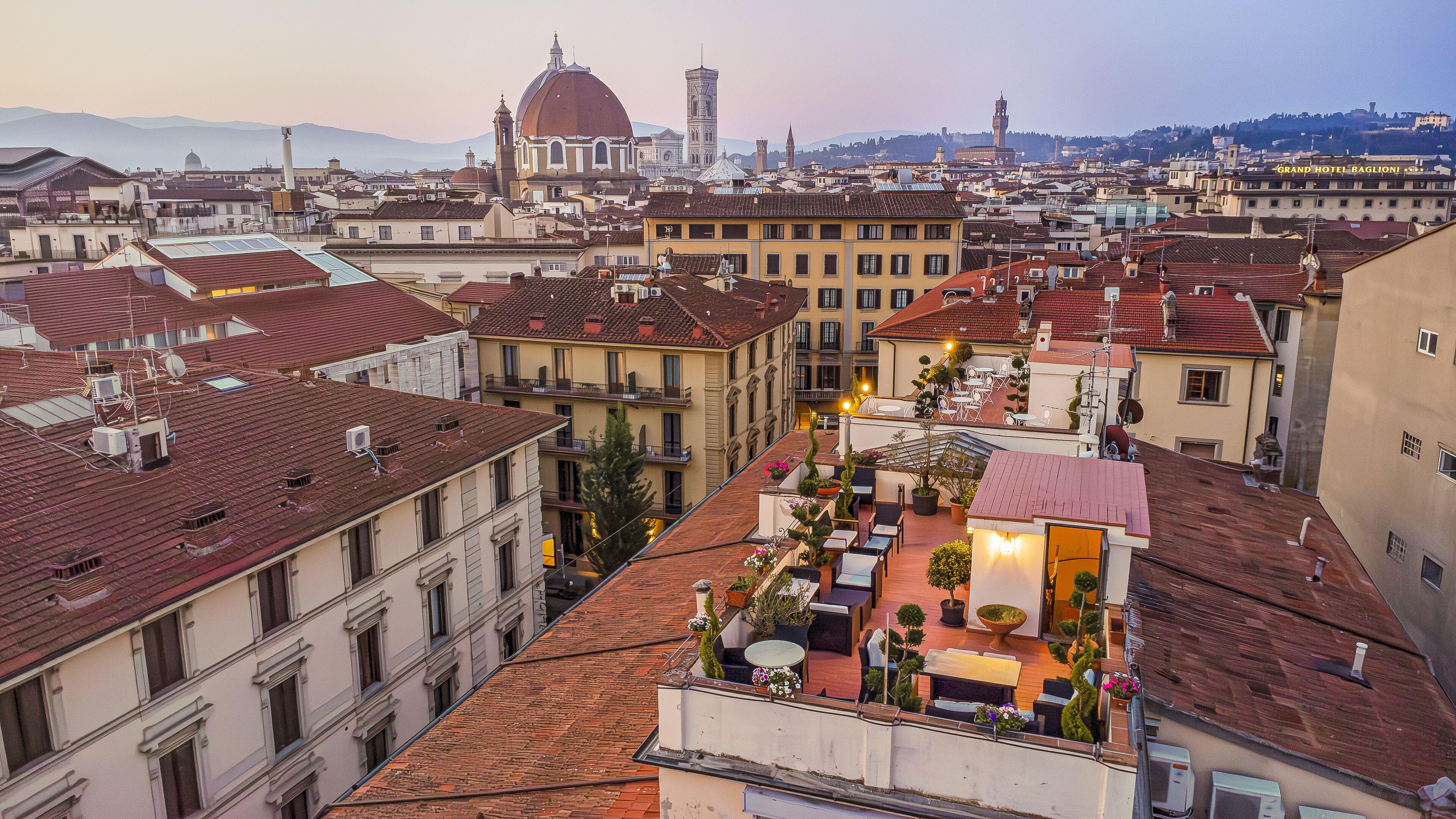
Roof terraces and upper-floor rooms with Arno or Duomo views are unique to this zone and add experiential value beyond the room itself
Cons:
Room sizes are typically compact - expect around 20 square metres in standard double rooms at 3-star properties
Noise from street activity, especially near Via dei Calzaiuoli and Piazza della Repubblica, is a real factor on lower floors in summer
Parking is extremely limited and expensive inside the ZTL - guests arriving by car need to plan garage options in advance
Practical Booking & Area Strategy for Florence's Centre
For the best positioning inside the centro storico, properties on or just off Via dei Calzaiuoli, Piazza della Signoria, and the Lungarno embankment offer the most direct access to major sights - these streets form the functional spine of the historic centre. Ponte Vecchio is reachable on foot in under 10 minutes from virtually any hotel listed in this guide, but hotels on the Arno-facing side (Lungarno Generale Diaz corridor) also offer river views that properties one block inland cannot. Santa Maria Novella Train Station sits around 1.5 km northwest of Piazza della Signoria - walkable in 20 minutes or reachable by tram from outside the ZTL boundary. Key things to do within walking distance include the Uffizi Gallery, the Accademia (David by Michelangelo), Mercato Centrale, Boboli Gardens across the river, and the Bargello Museum. Book at least 8 weeks ahead for April through October - this is the most visited urban historic centre in Italy per square kilometre, and last-minute availability at centrally located properties is rare during peak season. If travelling in November through February, rates drop noticeably and the main piazzas are accessible without the summer bottleneck crowds.
Best Value Stays
These properties deliver strong central positioning at 3-star pricing, each within direct walking range of Florence's main landmarks and with meaningful character rooted in the buildings they occupy.
-
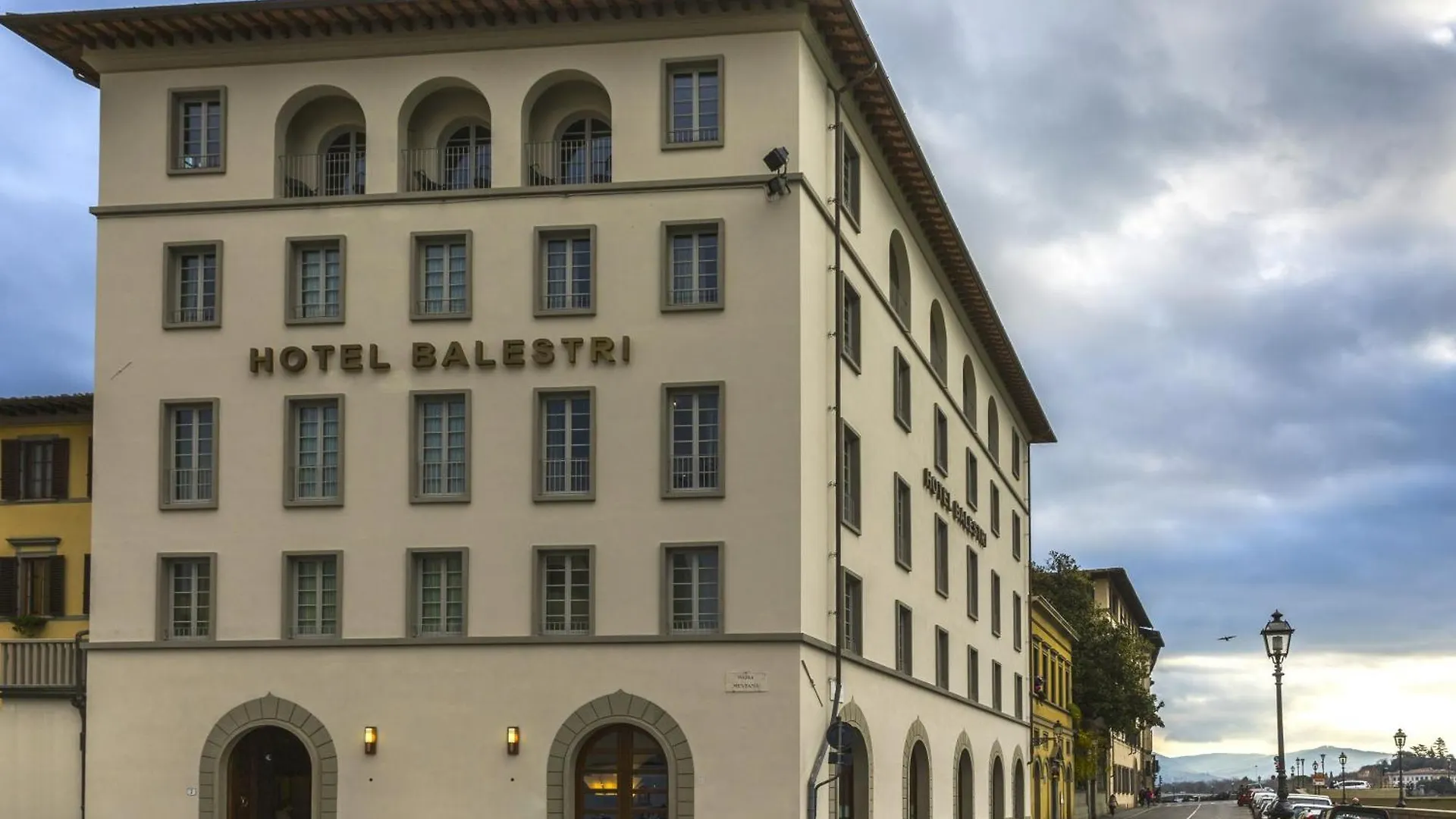
1. Hotel Balestri - Wtb Hotels
Show on map


 Check-infrom 14:00 until 23:59Check-outuntil 12:00
Hurry – almost gone at this price!
from€ 122
-
2. Hotel Davanzati
Show on map


 Check-infrom 14:00 until 23:59Check-outuntil 11:00
Just a few rooms left at the best rate!
from€ 81
-
3. Albergo Firenze
Show on map


 Check-infrom 14:30 until 23:59Check-outfrom 07:00 until 10:00
Just a few rooms left at the best rate!
from€ 46
-
4. Hotel Della Signoria
Show on map


 Check-infrom 15:00 until 23:59Check-outfrom 07:00 until 11:00
Rooms filling fast – secure the best rate!
from€ 111
Best Premium Stays
These properties offer elevated finishes, spa access, suite-format accommodation, or unique architectural positioning that justifies the higher nightly rate within the same central Florence footprint.
-
5. Corte Calzaiuoli Elegant Suites
Show on map


 Check-infrom 15:00 until 20:30Check-outuntil 10:00
Rooms filling fast – secure the best rate!
from€ 267
-
6. Borghese Palace Art Hotel
Show on map


 Check-infrom 14:00 until 23:59Check-outfrom 07:00 until 12:00
Hurry – almost gone at this price!
from€ 78
-
7. Relais Piazza Signoria
Show on map


 Check-infrom 13:00 until 17:00Check-outfrom 06:00 until 11:00
Best price guarantee
from€ 131
-
8. San Firenze Suites & Spa
Show on map


 Check-infrom 15:00 until 23:59Check-outuntil 12:00
Just a few rooms left at the best rate!
from€ 211
Smart Travel & Timing Advice for Florence's Historic Centre
Florence's historic centre has one of the most predictable seasonal demand curves in European city tourism. April through June and September through October represent the highest occupancy months, when the combination of mild weather, school holidays, and major art events drives both prices and crowds to their peak - central hotel rates during this window can be around 40% higher than the same properties in January or February. July and August remain busy but slightly less competitive for accommodation due to heat deterring some European travellers; the Uffizi, however, remains at near-maximum visitor capacity throughout. Book at least 8 weeks ahead for any stay between Easter and mid-October, particularly for properties directly on or adjacent to Piazza della Signoria. November through February offers the clearest advantage for price-conscious travellers - the city's main monuments are accessible without queuing, the trattorias are operating for local clientele rather than tourist turnover, and many central properties run promotions for stays of 3 nights or more. A minimum of 3 nights is the practical threshold for absorbing the Uffizi, Accademia, Pitti Palace, and the major churches without feeling rushed - anything shorter means spending disproportionate time managing logistics rather than the city itself.