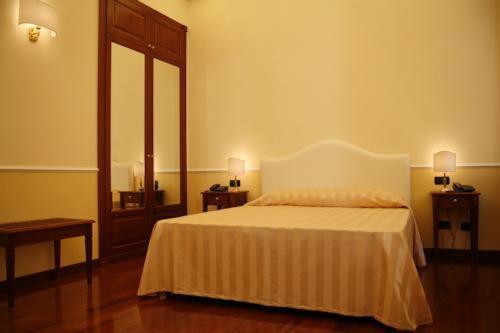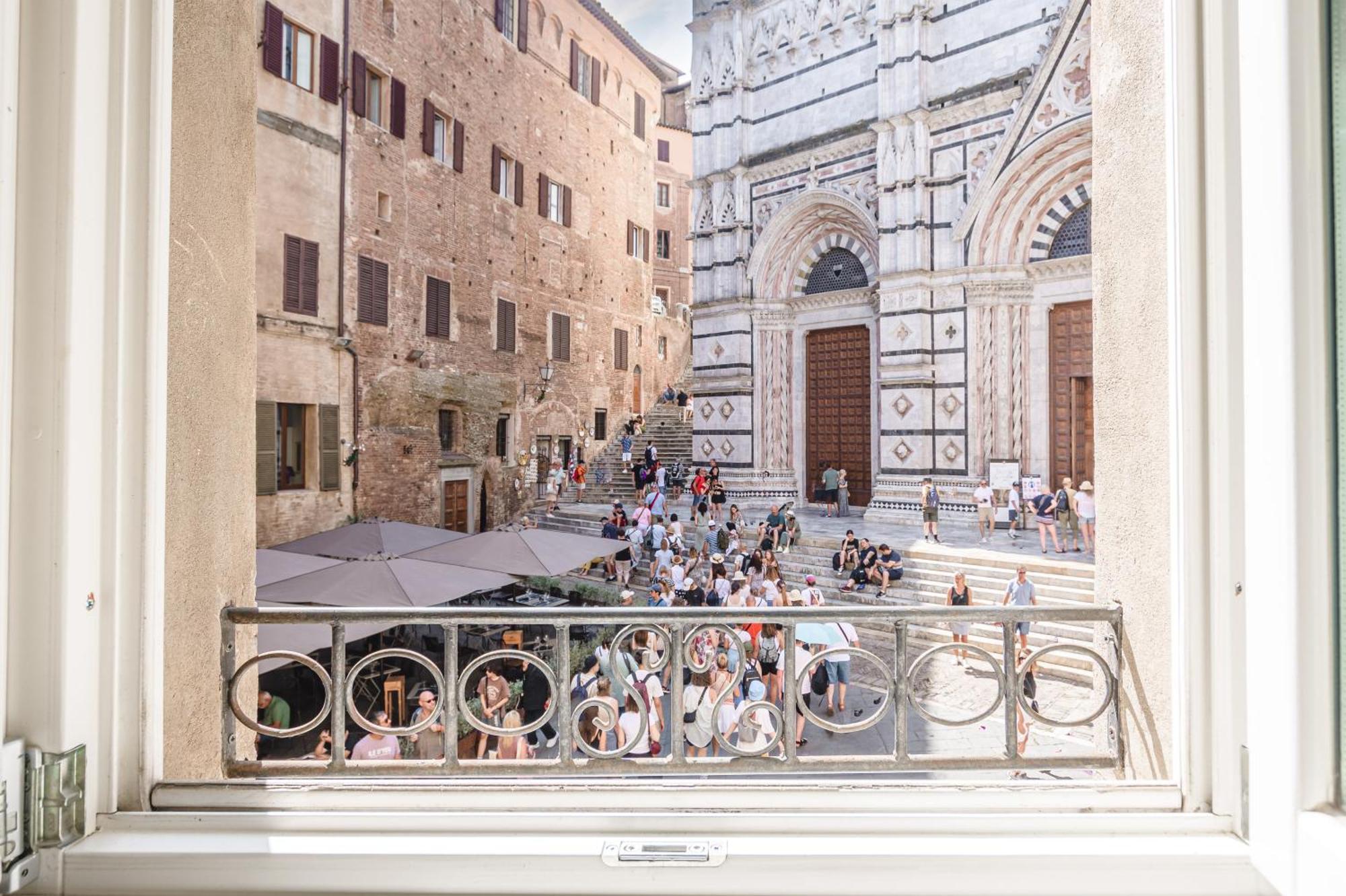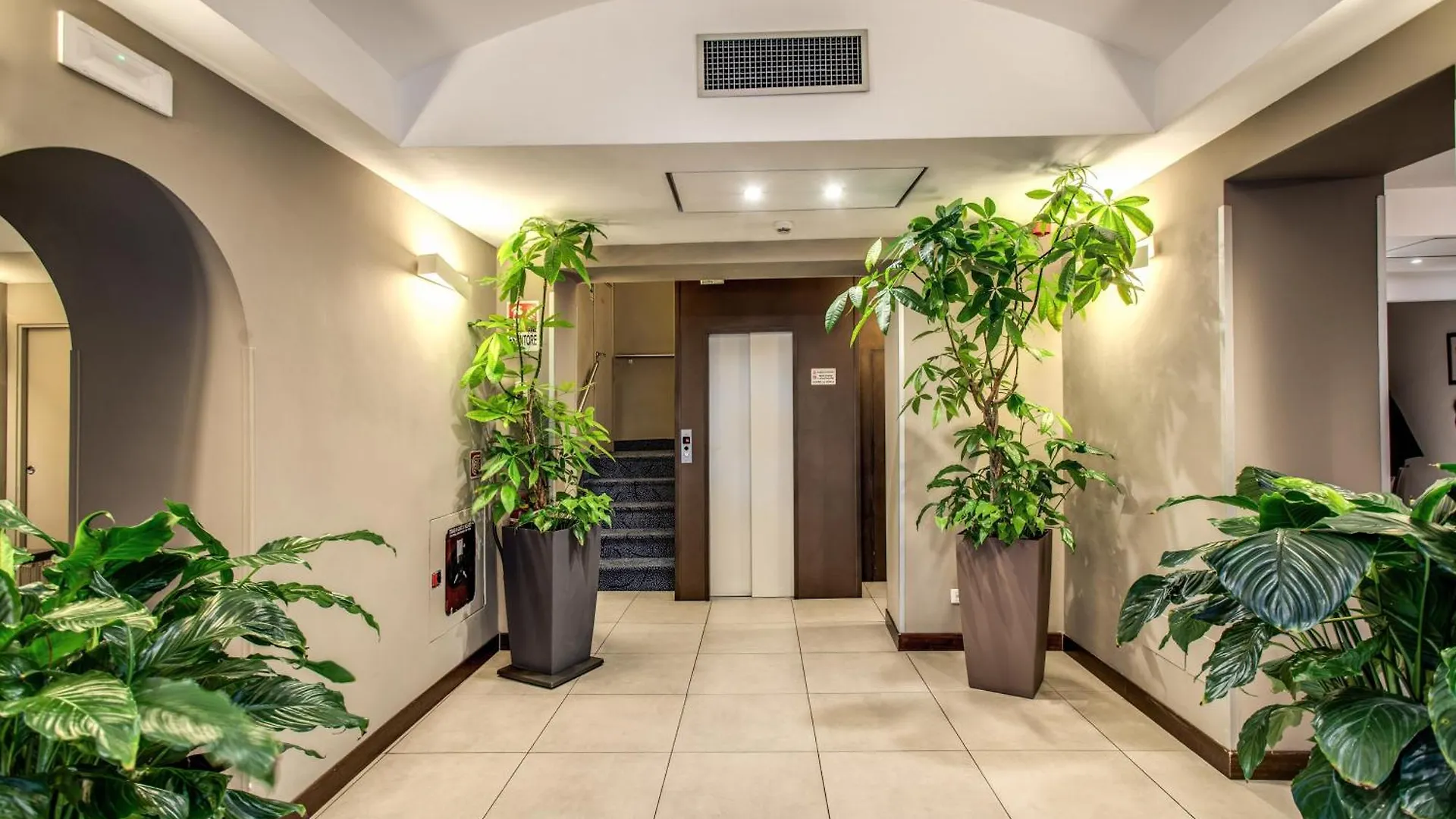
Rome City Centre is one of the most monument-dense urban areas in the world, where a 10-minute walk from your hotel door can take you past the Pantheon, Piazza Navona, and Campo de' Fiori without touching a metro line. Choosing a historical hotel here means sleeping inside buildings that predate most modern capitals - and waking up in a neighbourhood where the streets themselves are attractions. This guide compares three historical hotels in Rome City Centre to help you decide which location, price tier, and room configuration matches your trip.
What It's Like Staying in Rome City Centre
The historic centre of Rome - the Centro Storico - is compact by European capital standards: the Pantheon, Piazza Navona, Campo de' Fiori, and the Spanish Steps are all reachable on foot from most hotels in under 20 minutes. There is no metro coverage here, but this is rarely a disadvantage since the major sights cluster tightly together. Bus lines run along the perimeter roads, and taxis are easy to flag near Piazza Venezia or Largo Argentina. Street noise is the most consistent complaint from guests in this zone - particularly near Campo de' Fiori and along the Via del Corso - where outdoor bar crowds stay active until midnight, especially between April and October.
Pros:
- * Walking access to Rome's core monuments with no transit required
- * Dense concentration of restaurants, wine bars, and markets directly outside the hotel door
- * Airport shuttle services and concierge-organised tours are standard at historical hotels in this zone
Cons:
- * Street noise from piazzas and restaurants is unavoidable, particularly on lower floors facing outward
- * Car access is restricted by ZTL (Limited Traffic Zones), making self-drive arrivals complicated
- * Cobblestone streets and narrow alleys make luggage handling more physically demanding than other Rome districts
Why Choose a Historical Hotel in Rome City Centre
Historical hotels in Rome City Centre are typically housed in buildings dating from the 16th to the 19th century - palazzi, former noble residences, and ecclesiastical properties converted into accommodation. Unlike modern chain hotels on the city's outskirts, these properties embed architectural heritage directly into the stay: vaulted ceilings, exposed stone walls, and roof terraces with views of domes and bell towers are recurring features. Room sizes in historical buildings tend to be smaller than equivalent star-rated hotels in newer constructions, but the trade-off is a central positioning that eliminates the need for daily transit altogether. Rates in this category sit around 20% higher than comparable hotels in the Termini or Prati districts, reflecting both location premium and the cost of maintaining listed buildings.
Pros:
- * Rooftop terraces with direct sightlines to St. Peter's Dome, Vittorio Emanuele Monument, and the Roman skyline
- * Architectural character - stone walls, period furnishings, parquet or marble floors - that generic properties cannot replicate
- * Concierge teams at these hotels typically have established relationships with tour operators and skip-the-line access providers
Cons:
- * Older buildings may have limited elevator access on upper floors or require stairs-only access in some wings
- * Room configurations are irregular - confirm exact floor plan before booking if space is a priority
- * Parking inside the ZTL zone requires advance coordination; street parking directly outside these hotels is extremely limited
Practical Booking & Area Strategy
The most strategically positioned streets for historical hotels in Rome City Centre are those within the triangle formed by Via del Corso, Via dei Giubbonari, and Via Nazionale - this covers the Parione, Regola, and Trevi sub-districts, all within a 15-minute walk of the Colosseum direction. Via del Pellegrino, Via dei Condotti, and the blocks immediately surrounding Piazza Navona offer the highest monument-to-step ratio, meaning you physically pass Roman history simply commuting between hotel and restaurant. Book at least 6 weeks in advance for stays between April and June or in September, when Rome City Centre occupies around 90% of its available rooms across all categories. For transport beyond the walkable zone - the Vatican, Trastevere, or Termini - bus lines 40, 64, and 23 connect the historic centre to these areas reliably. The area is safe for late-night walking, though piazzas like Campo de' Fiori remain lively until well past midnight and are not suitable for light sleepers without soundproofed rooms.
Best Value Stays
These two hotels offer strong historic-centre positioning with practical amenities - rooftop access, airport transfers, and 24-hour reception - at a price point that makes them the most accessible options in this category.
-
1. Hotel Rinascimento
Show on map


 Check-infrom 15:00 until 23:59Check-outuntil 11:00
Just a few rooms left at the best rate!
from€ 86
-
2. Hotel Pace Helvezia
Show on map


 Check-infrom 14:00 until 23:59Check-outfrom 01:00 until 11:00
Hurry – almost gone at this price!
from€ 75
Best Premium Stay
For travellers who want immediate metro access alongside monument proximity - and a hotel address directly between the Spanish Steps and the Trevi Fountain - this option is the most strategically positioned in the selection.
-
3. Hotel Concordia
Show on map


 Check-infrom 14:00 until 23:59Check-outfrom 05:00 until 11:00
Rooms filling fast – secure the best rate!
from€ 75
Smart Travel & Timing Advice for Rome City Centre
April through June and September are the strongest months to visit Rome City Centre for weather and atmosphere, but they are also when hotel rates peak and availability at historical properties tightens fastest. Booking around 6 weeks in advance secures the best room categories at these properties; last-minute availability in peak months is common only for the smallest, noisiest rooms. January and February offer the lowest nightly rates across all three hotels listed here - discounts can reach around 30% compared to spring prices - and the main piazzas are significantly less congested, which changes the experience of walking to monuments entirely. A stay of 3 nights is the minimum to cover the core historic centre on foot without rushing; 4 or 5 nights allows for day trips to Ostia Antica, Tivoli, or the Vatican without cutting into monument time in the centre. Avoid check-in on public holidays such as Easter Monday and 2 June (Republic Day), when both the ZTL restrictions and tourist volumes in the Pantheon and Navona districts peak simultaneously.